
Industry · Explainer
A car’s advertised price now has a clearer definition in the US
The Federal Trade Commission’s September guidance describes how mandatory dealer fees, discounts and vehicle availability appear in automobile advertising.
The systems, supply chains and production processes behind global business.
The Federal Trade Commission’s September guidance describes how mandatory dealer fees, discounts and vehicle availability appear in automobile advertising.
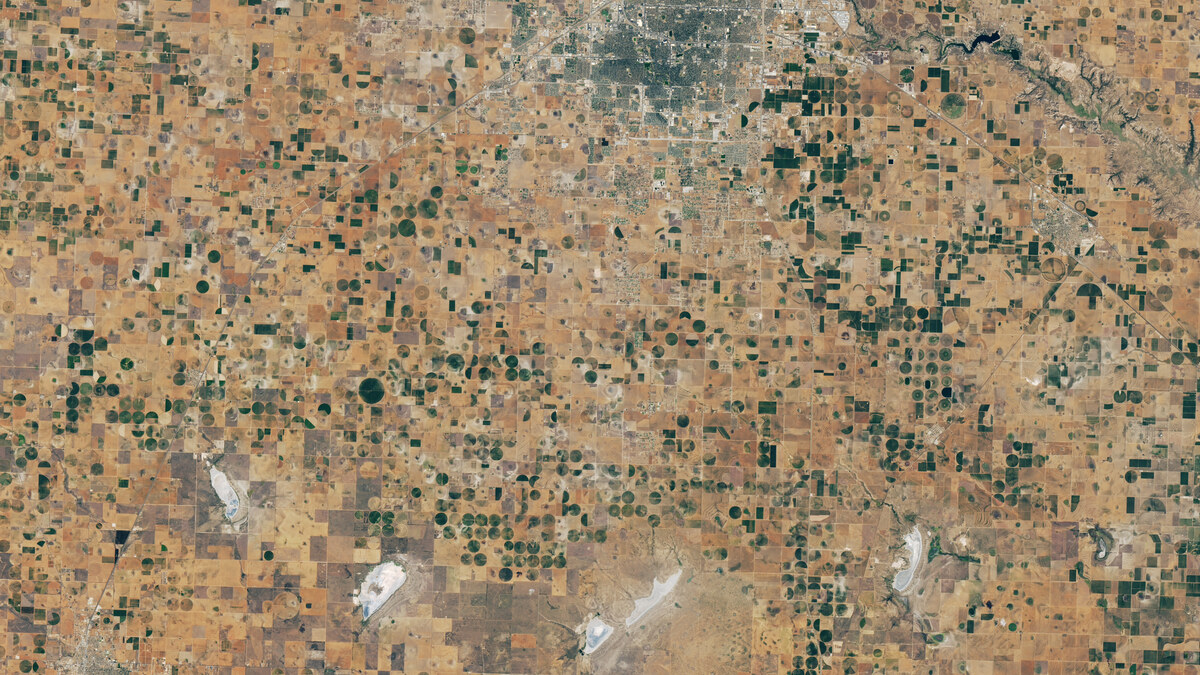
NASA’s 8 October Landsat report turns drought and aquifer decline into an operating map for the Texas High Plains cotton economy.
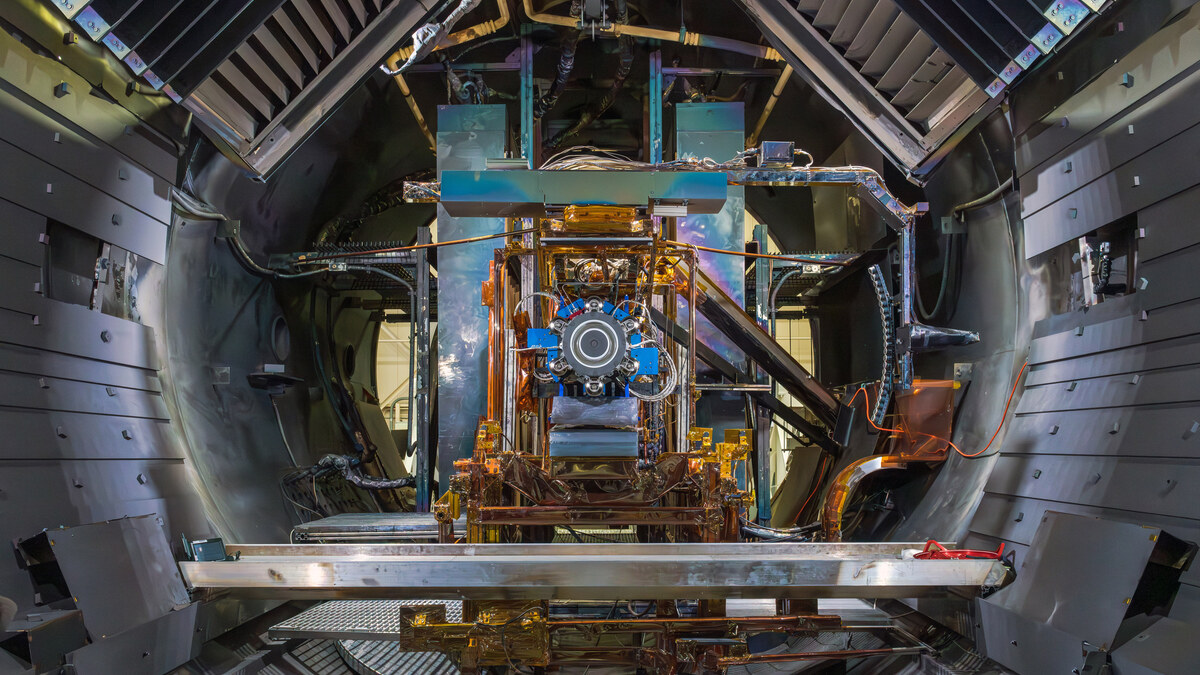
A 6 October solicitation sets proposal, question and anticipated-award dates for a new Glenn laboratory, making bid discipline the first engineering task.
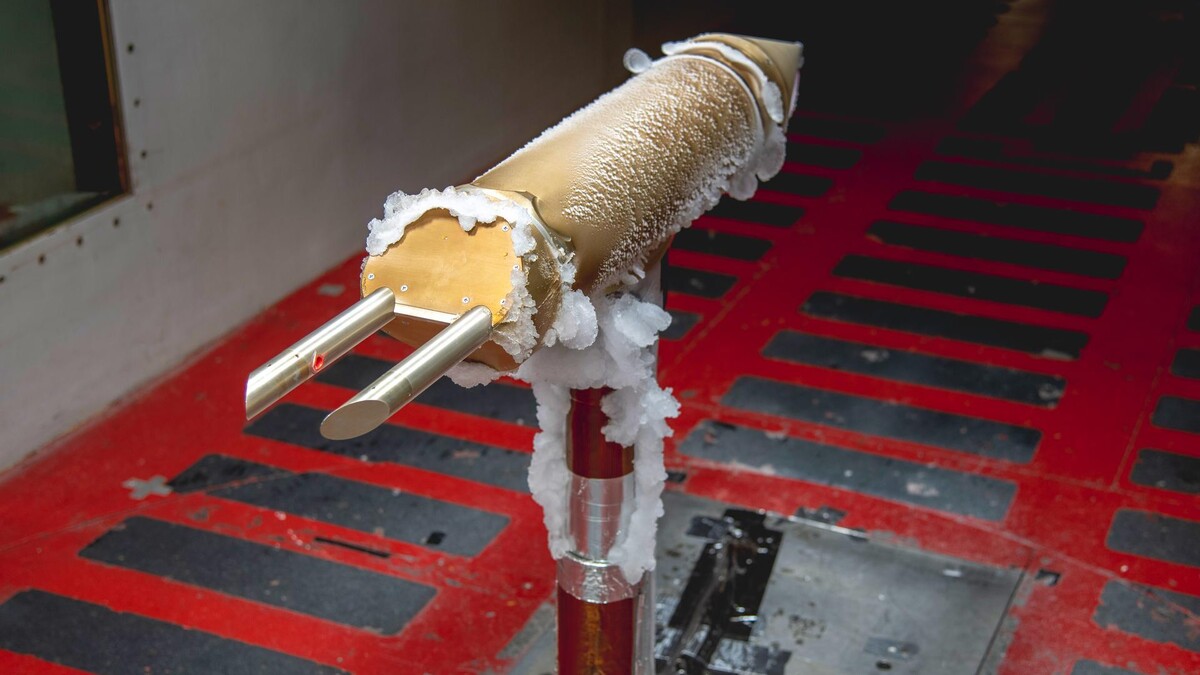
NASA’s 5 October report shows why an aircraft-icing test depends on measuring the cloud as carefully as the hardware exposed to it.
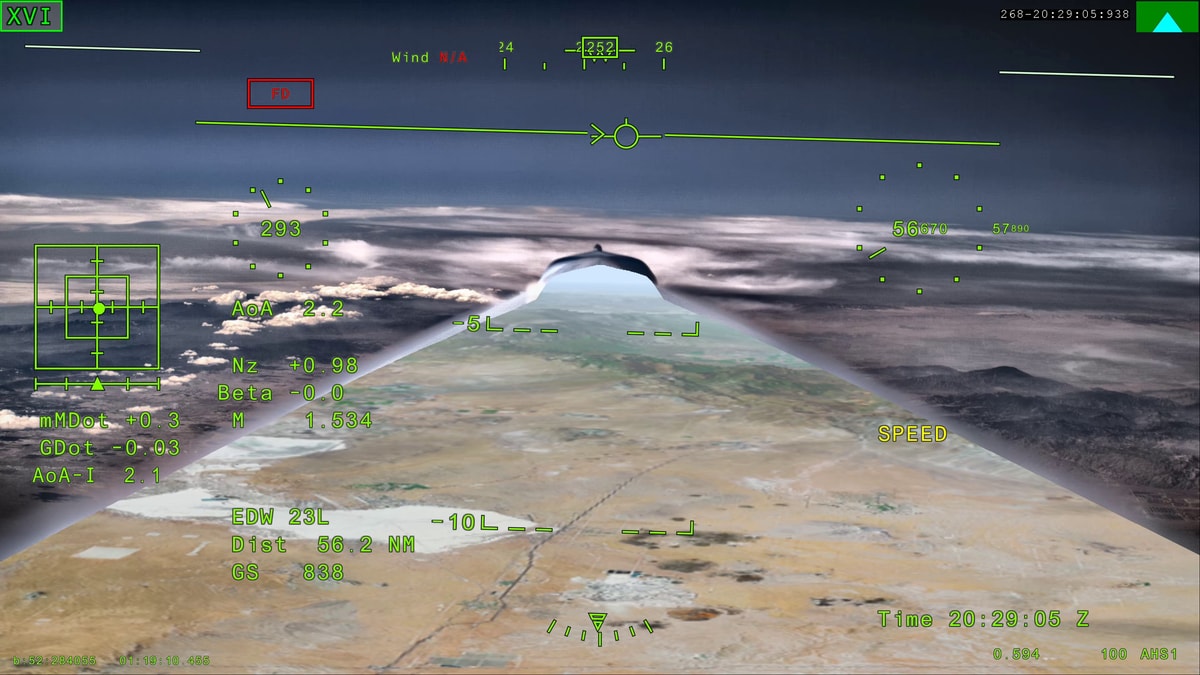
NASA’s X-59 flew six times in four days and reached Mach 1.53. The next evidence will come from scheduled maintenance and the programme’s return to flight—not from the records alone.
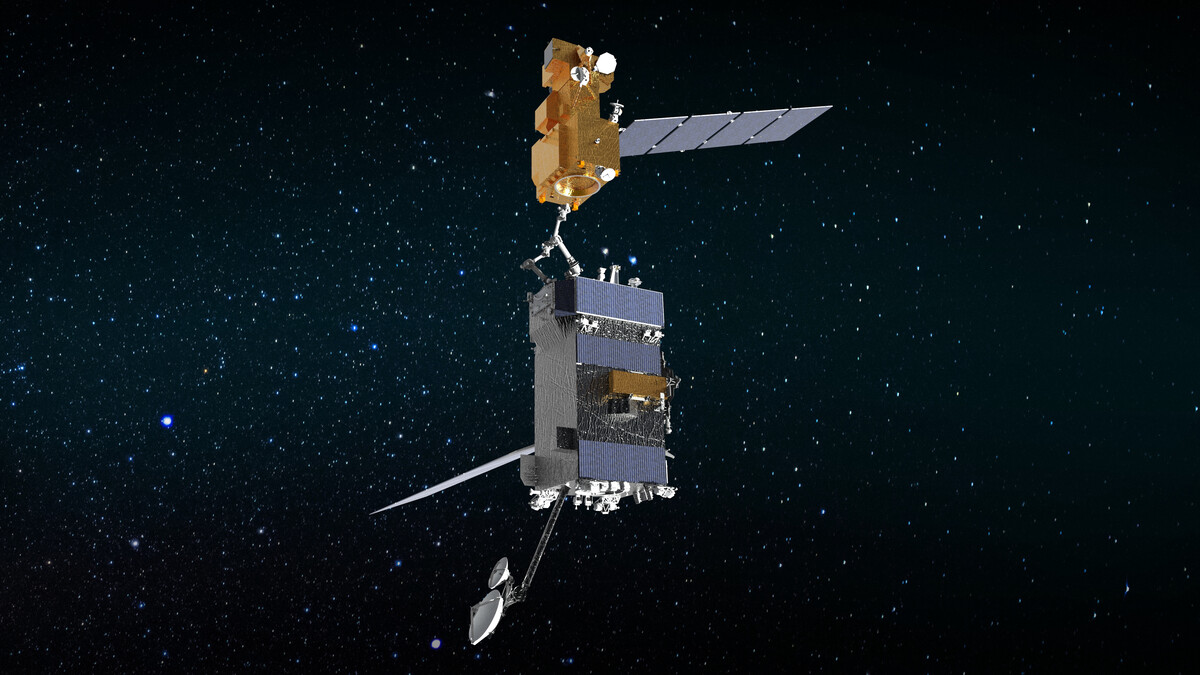
The SSPICY mission launched on 1 October, with inspections planned for 2027. Its business significance lies in the decisions that better information about an ageing spacecraft could support.
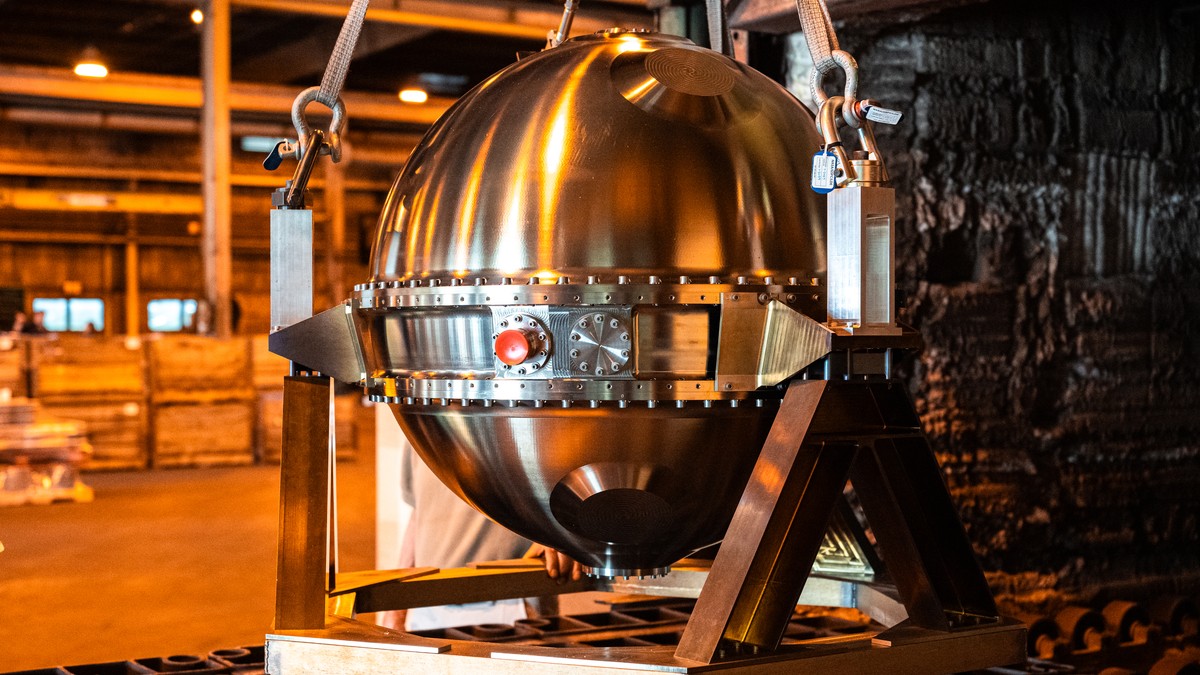
A Venus probe model survived six rapid heating cycles. For industrial buyers, the useful question is whether a supplier’s test reproduces the equipment’s actual exposure over time.
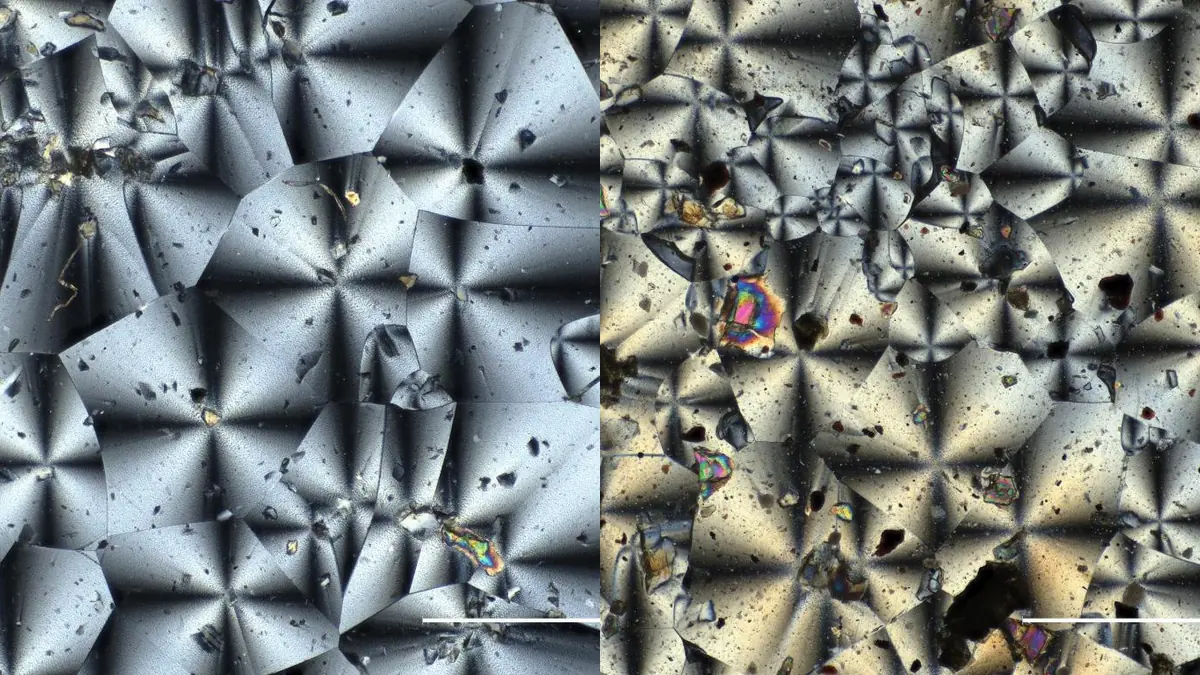
A NASA material update combines biodegradable plastic with simulated lunar and Martian dust. The opportunity is local fabrication; the next test is whether the feedstock survives its operating environment.
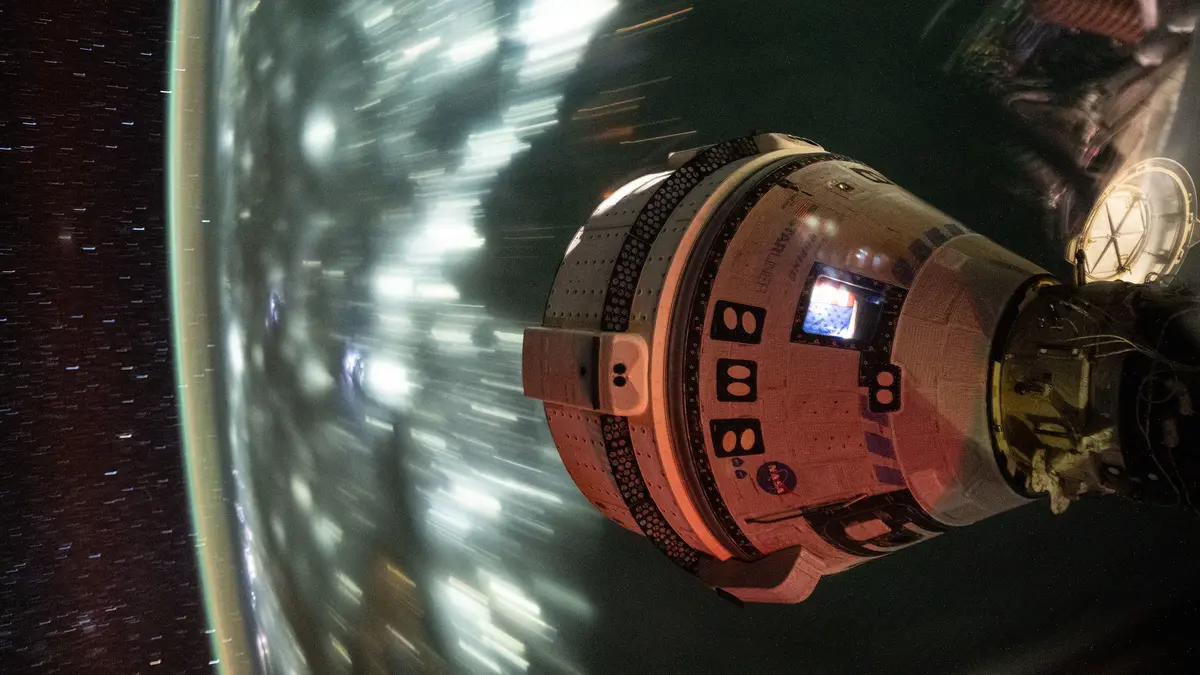
NASA’s 28 September plan puts an uncrewed evaluation flight before crewed service. For suppliers and investors, test evidence—not timetable optimism—is now the key milestone.
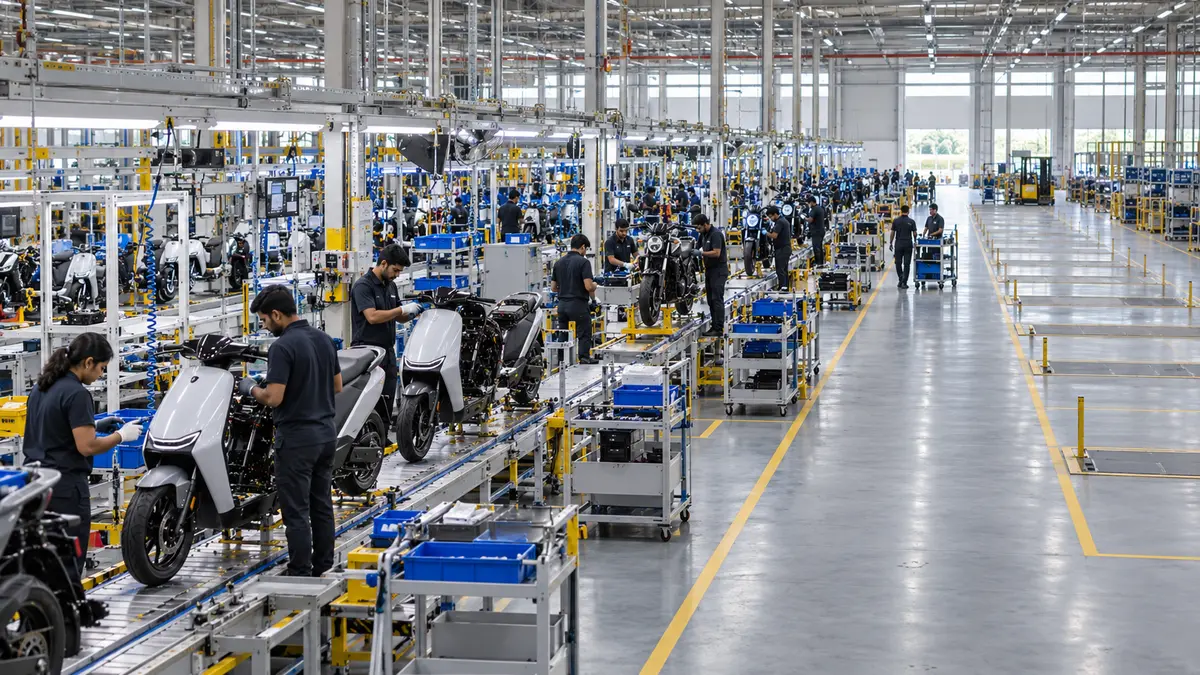
Ultraviolette's planned Indian plant can grow from 250,000 to 500,000 vehicles a year—a useful model for matching capacity to evidence.
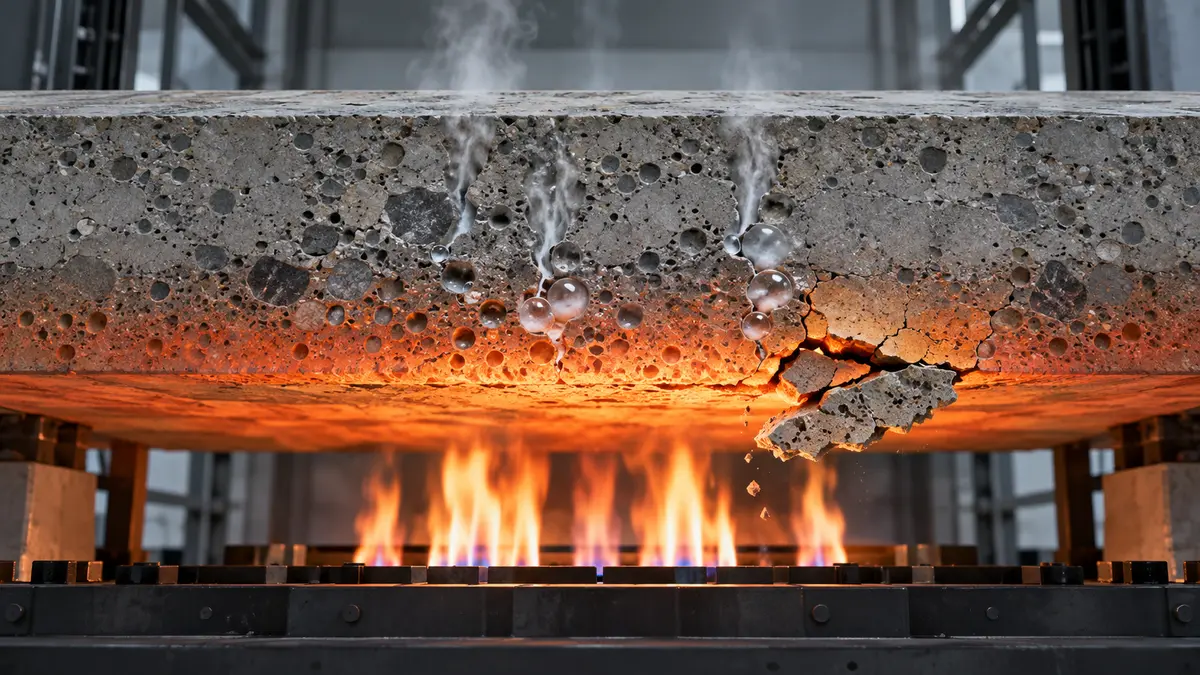
A 24 September NIST analysis narrows when trapped water could drive violent concrete spalling—and why that remains only one part of the failure question.
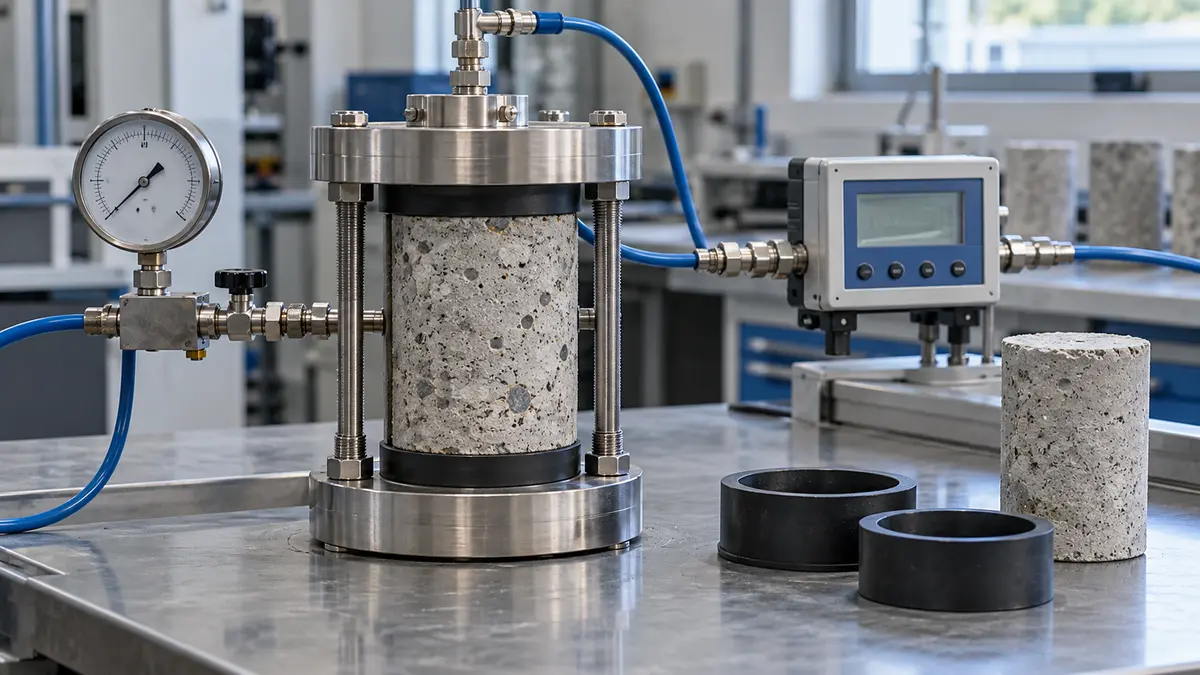
A 24 September NIST study shows why adapting laboratory equipment is more than a mechanical fit check.

NIST research dated 24 September finds that robotic vision output can shift sharply as the shape of parts in a bin changes.

A new NIST protocol treats cell recovery, feed preparation and seed expansion as one controlled manufacturing history.

A NIST research team’s 21 September framework shifts factory connectivity from reacting to failure toward predicting channel degradation.
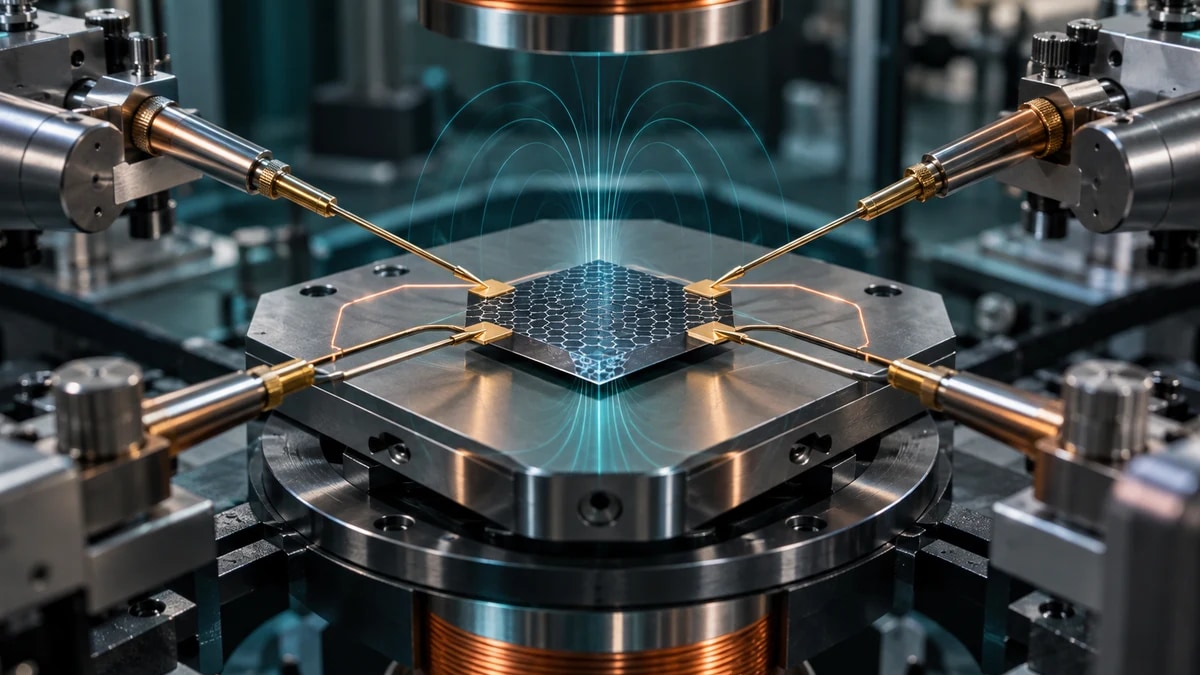
NIST’s 18 September tutorial turns a simpler Hall-resistance geometry into a practical quality-control route for inks and composites.
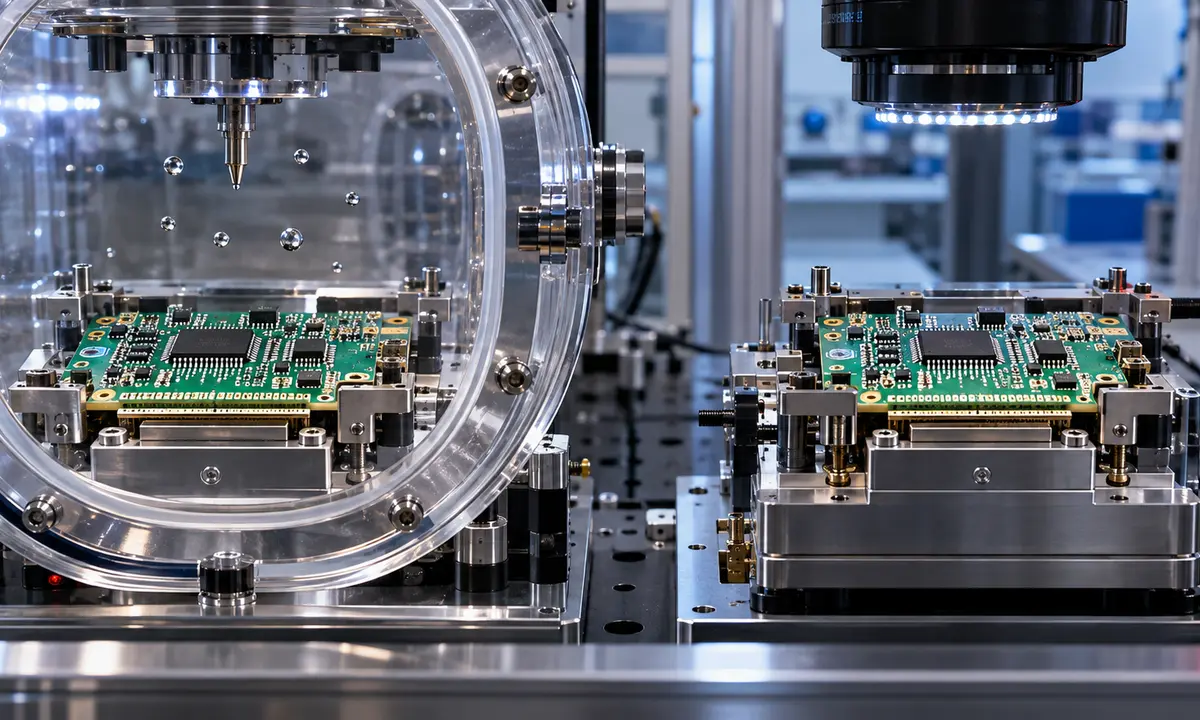
NASA’s 18 September completion of a microgravity soldering run shows why a new environment needs comparative evidence.
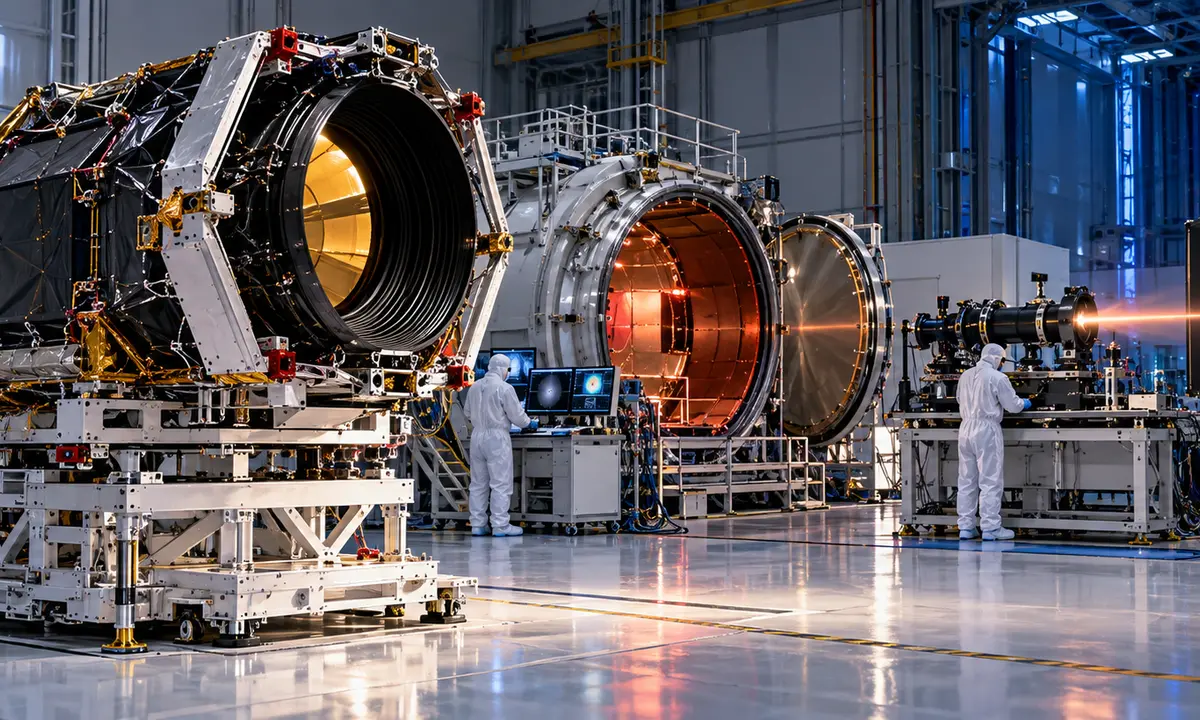
Roman’s 15 September instrument update shows why complex equipment should be accepted through sequenced tests.

A new traceability framework asks a practical question: can different businesses verify the same product history?