
At a glance
- The X-59 completed six flights during the week of 21 September, bringing the experimental aircraft to 38 test flights and a new top speed of Mach 1.53.
- A roughly three-week scheduled maintenance period and systems review now matter as much as the flight count: they can show what a faster test rhythm demands between sorties.
A NASA update published on 2 October 2026 says the X-59 completed six flights during the week of 21 September. The aircraft flew twice on 22 September, twice on 24 September and twice on 25 September. That was two more flights than its previous weekly record and lifted the experimental aircraft’s total to 38 test flights.
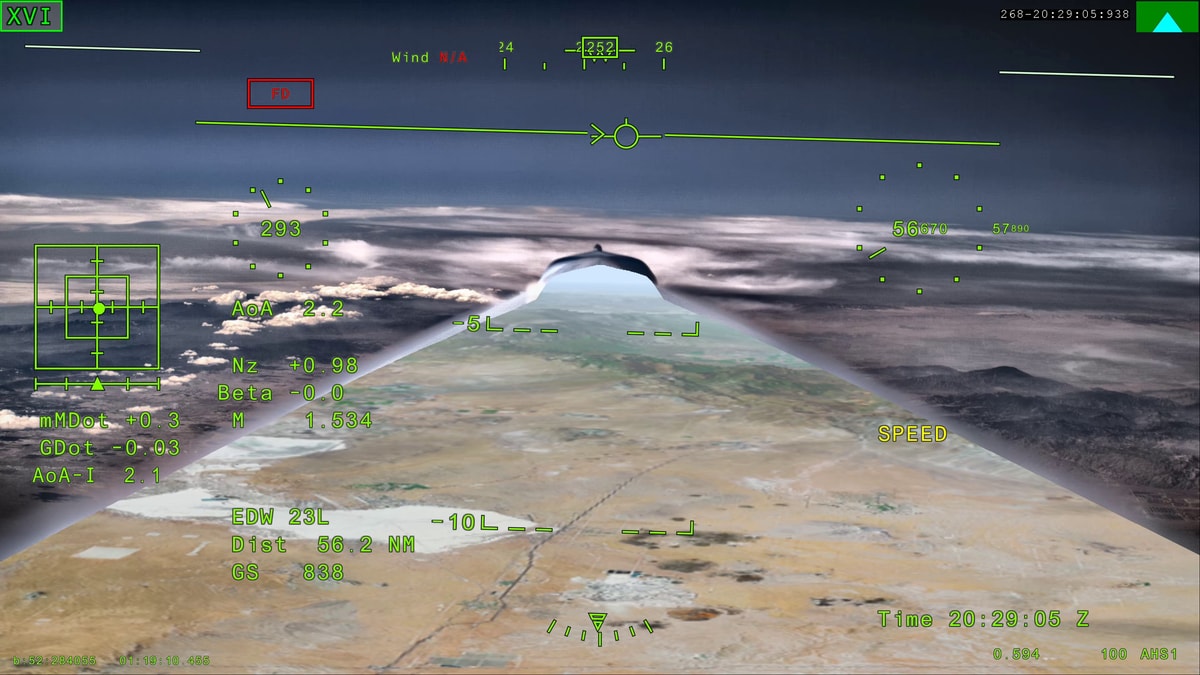
The week was part of flight-envelope expansion, in which the team tests performance across different speeds, altitudes and manoeuvres. One flight reached Mach 1.53, approximately 1,010 miles per hour, setting a new top speed for the aircraft. NASA says the X-59 is expected to cruise at Mach 1.4. These figures describe a test programme; they are not evidence of an airline-ready aircraft or a timetable for passenger service.
The next phase is deliberately less dramatic. NASA says the aircraft entered scheduled maintenance expected to last roughly three weeks, followed by a regular systems review. The team then plans to resume its faster flight cadence. The source does not report maintenance findings, turnaround time between individual flights, availability rates or programme costs.
Dunes Bureau interpretation: the useful industrial signal is not the record on its own, but the combination of repeated flying and the evidence gathered when the aircraft stops. A denser test week can expose operational patterns more quickly. Scheduled maintenance can then show which inspections, adjustments and replacement tasks that pace creates. Until those results are available, claims about repeatability or lower operating burden would be premature.
The wider Quesst mission is intended to demonstrate supersonic flight without a loud sonic boom and later collect community responses to quieter sonic thumps. NASA plans to share those data to help inform acceptable noise thresholds for commercial supersonic flight over land. The 2 October update reports flight activity and speed; it does not present community-response results or establish that a commercial service is viable.
For Gulf aviation businesses following the programme, the near-term questions are practical: after maintenance, does the aircraft return to the intended cadence; which checks consume the most time; and can the programme repeat its results across the planned operating envelope? Those answers would make the record week more useful to manufacturers, maintenance planners and operators. Ticket demand, fleet economics and airport procedures remain separate questions for later evidence.
Sources
NASA’s X-59 Completes Record Six Flights in One Week — 2 October 2026 ↗
Nicolas Cholula and Robert Margetta · NASA. Accessed 2026-10-04. NASA factual commercial editorial usage and AI source-disclosure guidelines; third-party exceptions checked.