
At a glance
- Specify an inspection around the decision it must inform, including what the observation cannot establish.
- Keep evidence of a safe approach, useful measurements and a viable follow-on service separate when evaluating a supplier.
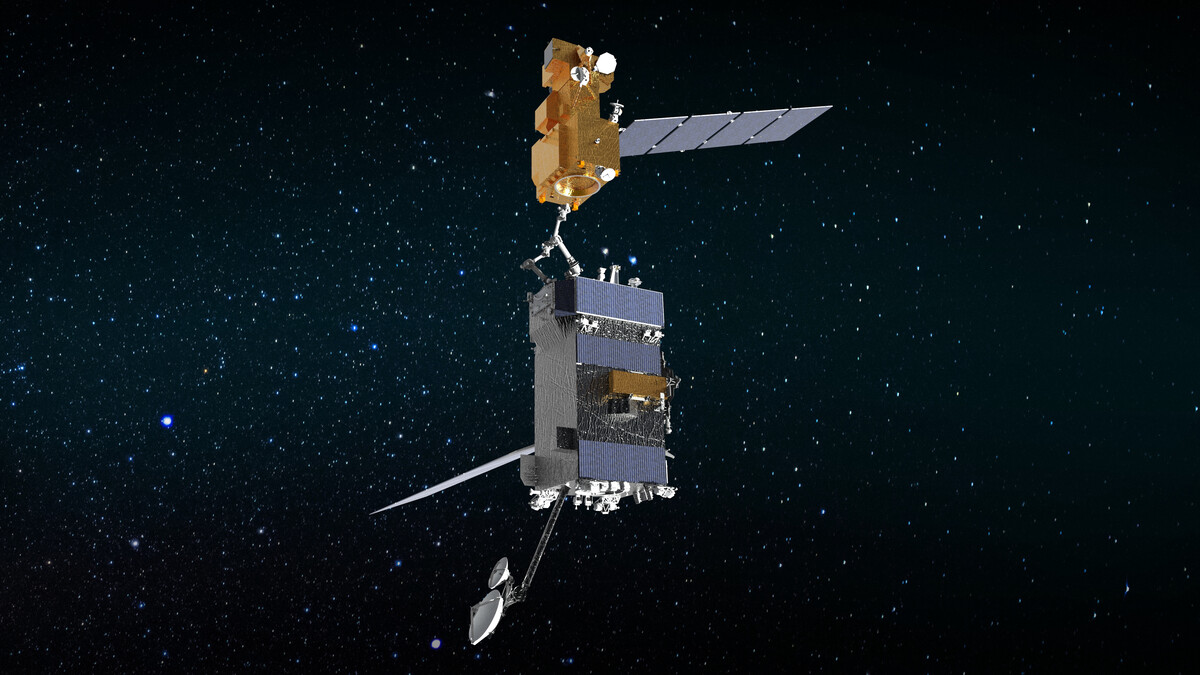
Leejay Lockhart’s NASA mission update dated 1 October 2026 records the launch of SSPICY, the Small Spacecraft Propulsion and Inspection Capability demonstration. Starfish Space’s Otter 24C is intended to examine up to four inactive satellites in low Earth orbit. Inspections are expected to begin in 2027, during a mission lasting about two years.
The planned observations cover surface condition, shape and orbital characteristics. The spacecraft will test autonomous approach and navigation technologies, including computer vision, alongside propulsion and an articulated boom that directs thrust. The aim is to develop capabilities that could inform later servicing or disposal work. The launch report provides a plan for those observations; it does not report completed inspections or a demonstrated repair service.
Dunes Bureau interpretation: the commercial value of an inspection should be judged by the uncertainty it removes for an asset owner. A striking close-up is useful only if it helps answer a defined question. Can a proposed service safely reach the relevant part? Is a visible feature consistent with the operator’s existing records? Which important conditions remain unobservable? An inspection brief should establish these questions before the observations arrive.
For a buyer, the deliverable could therefore include measurement uncertainty, viewing and lighting conditions, the time of observation and a clear separation between visible findings and inferred condition. A provider should explain what additional evidence a follow-on operator would need. These are Dunes Bureau’s proposed purchasing criteria, not reported SSPICY contract terms or confirmed mission outputs.
The next useful milestone is a documented inspection that another operator can use in a decision. A successful approach, a reliable condition assessment and an economically workable service each require their own evidence. Until that evidence is available, the launch supports a demonstration programme; it does not establish a service price, a recoverable asset value or a return on investment.
Sources
NASA SmallSats Launch to Advance Science, Technology, Orbital Operations — 1 October 2026 ↗
Leejay Lockhart · NASA. Accessed 2026-10-02. NASA factual editorial usage and AI source-disclosure guidelines; third-party material excluded.