
At a glance
- Test whether a fleet can take on an unexpected task without losing its original objective.
- A successful demonstration is not evidence of lower operating costs.
Getting a robot to move is one problem. Deciding which robot should do the next job is another. The ASTRA fieldwork report published on 15 September 2026 offers a concrete example of that second challenge. The tests themselves took place in July, at the Virginia Tech Transportation Institute in Blacksburg, Virginia.
Three machines had different roles: a scouting drone, a mapping rover and a sample-collecting rover. Humans supplied the initial science goals. Software allocated work while considering available machines, travel, priorities and risk. When the drone found an additional area of interest, it paused to assess the opportunity and brought in another robot without abandoning its original objective.
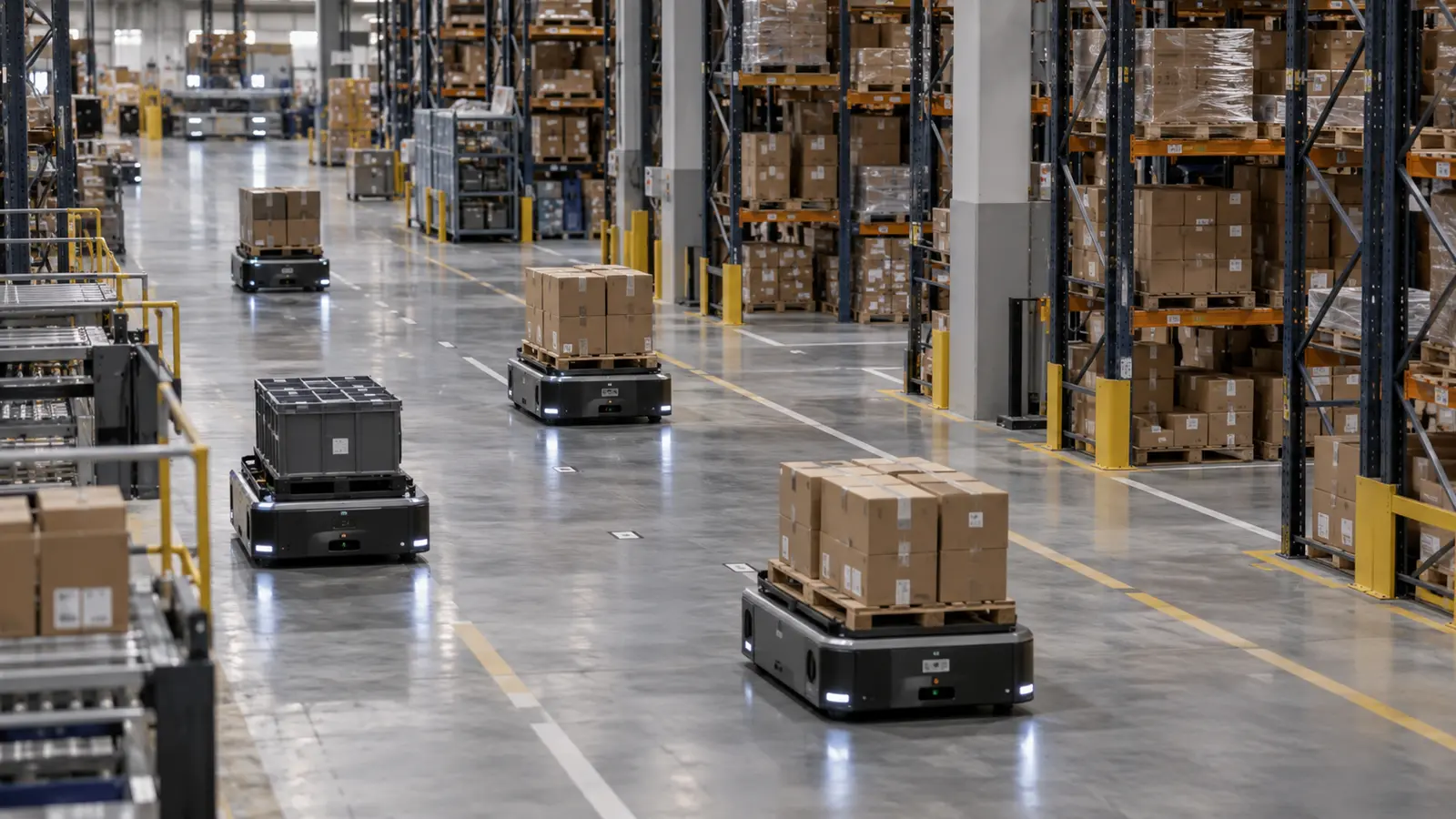
Dunes Bureau interpretation: for an industrial buyer, the useful question is whether a fleet can absorb new work while keeping existing commitments. An acceptance test could introduce an unexpected inspection request during a planned route. Record which machine is reassigned, whether the original work finishes and when a human must intervene. Repeat with a machine unavailable. These are proposed commercial tests, not results of the field campaign.
The published account does not provide numerical cost savings, completion-time comparisons or reliability benchmarks. It documents a coordination capability, not a business case. Before extrapolating to a warehouse or industrial site, a buyer would still need evidence from its own tasks and operating conditions.
Sources
NASA Field-Tests AI Fleet Capability for Science, Exploration ↗
Caela Barry · NASA Science — Planetary Expeditions. Accessed 2026-09-17. NASA media usage and AI source-disclosure guidelines.