
At a glance
- Cell prices are not the same as installed system prices.
- Duty cycle, service life and integration shape the business case.
Lithium-ion battery cells have become dramatically less expensive. Hannah Ritchie and Pablo Rosado’s Our World in Data account reports a decline of more than 99% between 1991 and 2024, with inflation-adjusted prices falling from roughly $9,200 to $78 per kilowatt-hour.
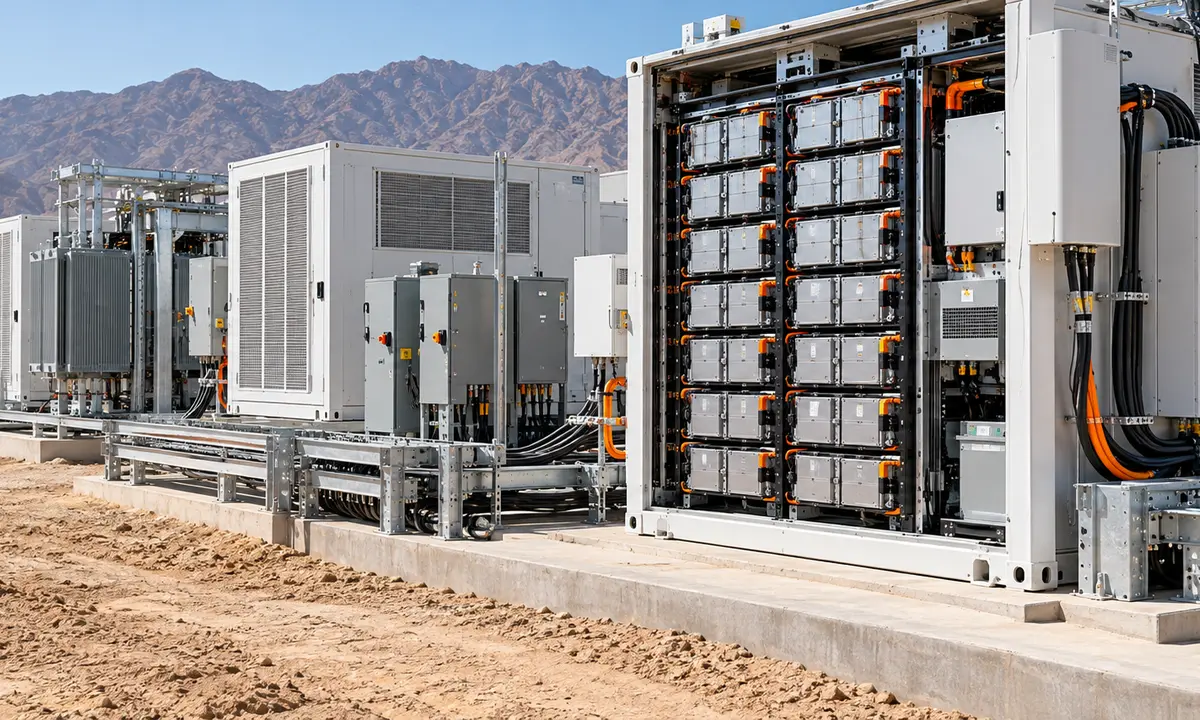
Those numbers describe cells. A working storage installation also requires other components, installation and controls. A vehicle adds a different set of design and manufacturing requirements. Treating a cell-price series as a finished-product quotation misses that distinction.
For commercial buyers, the useful question is what the system must do. How often will it charge and discharge? What output must it sustain? Which service-life assumptions make the proposal attractive, and what happens if those assumptions prove optimistic?
Our reading is that falling cell costs expand the set of possible applications, while operating requirements decide which ones make sense. The historical trend is compelling. It remains a history, rather than a promise that prices will fall by the same amount again.
Sources
Battery costs have declined by 99% in the last three decades ↗
Hannah Ritchie and Pablo Rosado · Our World in Data. Accessed 2026-09-16. CC BY 4.0.