
At a glance
- NIST’s draft findings describe extensive water intrusion in Puerto Rican hospitals and schools that experienced little structural damage.
- For property owners, the useful question is how enclosure condition affects continued use; the findings do not establish the risk at a Dubai building.
In an update published on 28 September 2026, the US National Institute of Standards and Technology reported draft findings from its investigation of Hurricane Maria’s 2017 impact on Puerto Rico. Most hospital and school buildings experienced minimal structural damage, yet damage to their outer enclosures allowed extensive rainwater intrusion. This is a new research update about an older storm; the investigation’s final recommendations were still to come.
The 24 September presentation by Joseph Main and Maria Dillard explains the routes water took. Damaged roof coverings were the most prevalent entry point. Debris blocking roof drains worsened water retention, while some intact windows leaked around their seals. Damaged rooftop equipment created further openings and debris. The presentation also describes interior damage from wind-driven rain that disrupted critical facilities’ operations.
Dunes Bureau interpretation: property diligence should ask how each occupied area remains usable under the conditions relevant to its site. Structural integrity and resistance to water entry are separate parts of that assessment. For a landlord, hotel operator or retailer, work on an enclosure may support continuity even when it adds little visible appeal to a property.
A useful management brief could connect roof, drain, window and rooftop-equipment condition to the spaces and activities below. It could record which issues require professional assessment, who owns the follow-up, when work is due and what evidence will show it has been completed. That would make recurring leaks and unresolved repair requests visible alongside the capital plan, rather than treating every interior repair as a closed task.
Investment decisions could then compare proposed work by the function protected, the access needed to carry it out and the disruption involved. An example is distinguishing a cosmetic interior repair from work that also addresses its water-entry route. These are Dunes Bureau’s proposed management questions, not savings or commercial returns measured by NIST.
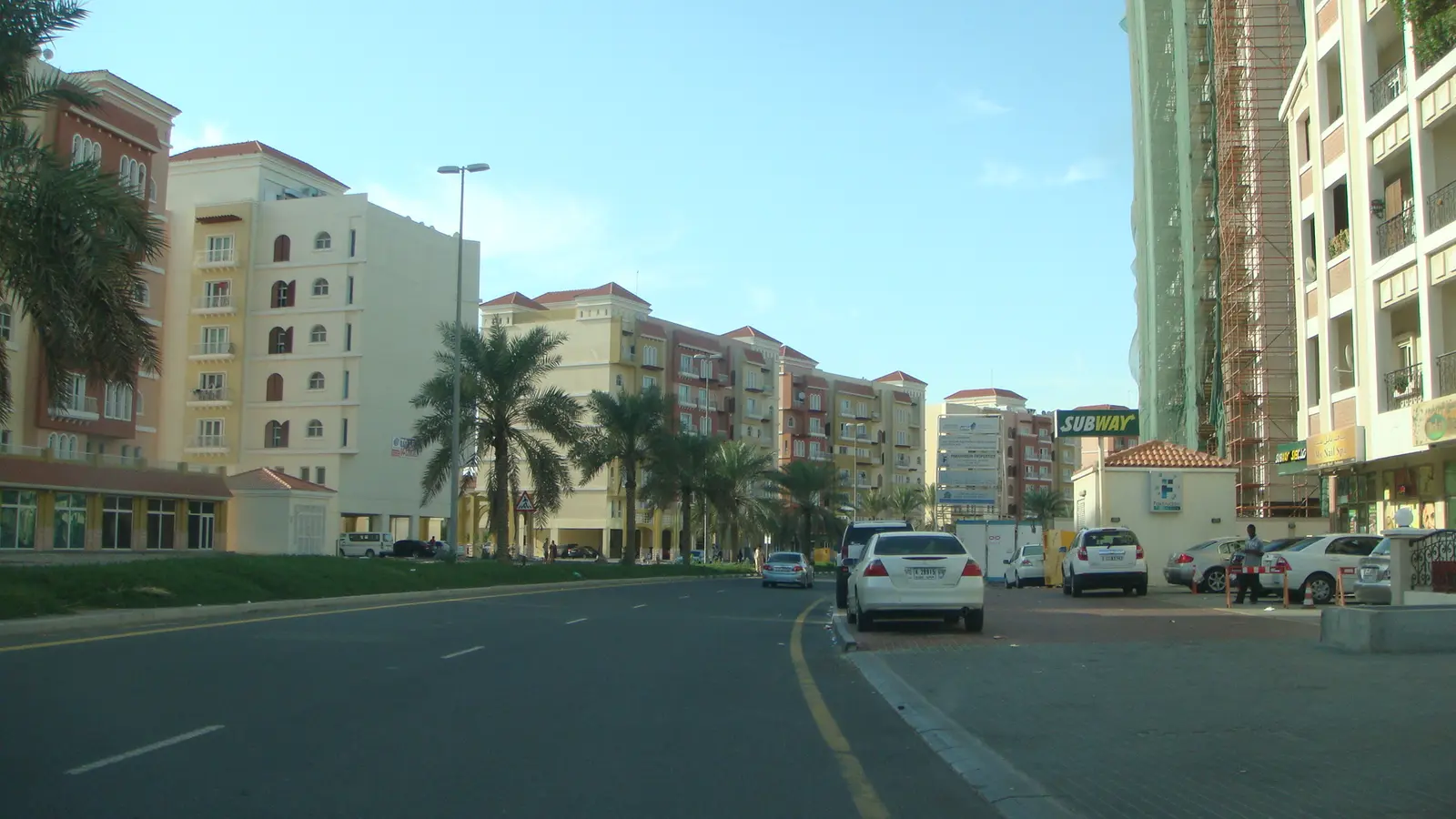
For Dubai readers, the limits matter. The study concerns Puerto Rico’s buildings and hurricane conditions; it does not establish a local failure rate, a repair specification or the condition of any pictured property. Applying its lessons requires site-specific assessment of construction, exposure and maintenance. The useful takeaway is to include continued usability in property decisions, alongside the condition of the structural frame.
Sources
NIST Provides Updates on National Construction Safety Team Activities — 28 September 2026 ↗
NIST (institutional update; no individual byline) · National Institute of Standards and Technology. Accessed 2026-10-03. NIST public-information reuse terms; copyrighted exceptions excluded.
Summary of Hurricane Maria NCST Investigation Progress — 24 September 2026; building-performance findings, slides 31–33 ↗
Joseph Main and Maria Dillard · National Institute of Standards and Technology. Accessed 2026-10-03. Attributed factual reporting under NIST data/work reuse terms; third-party figures and photographs excluded.