
At a glance
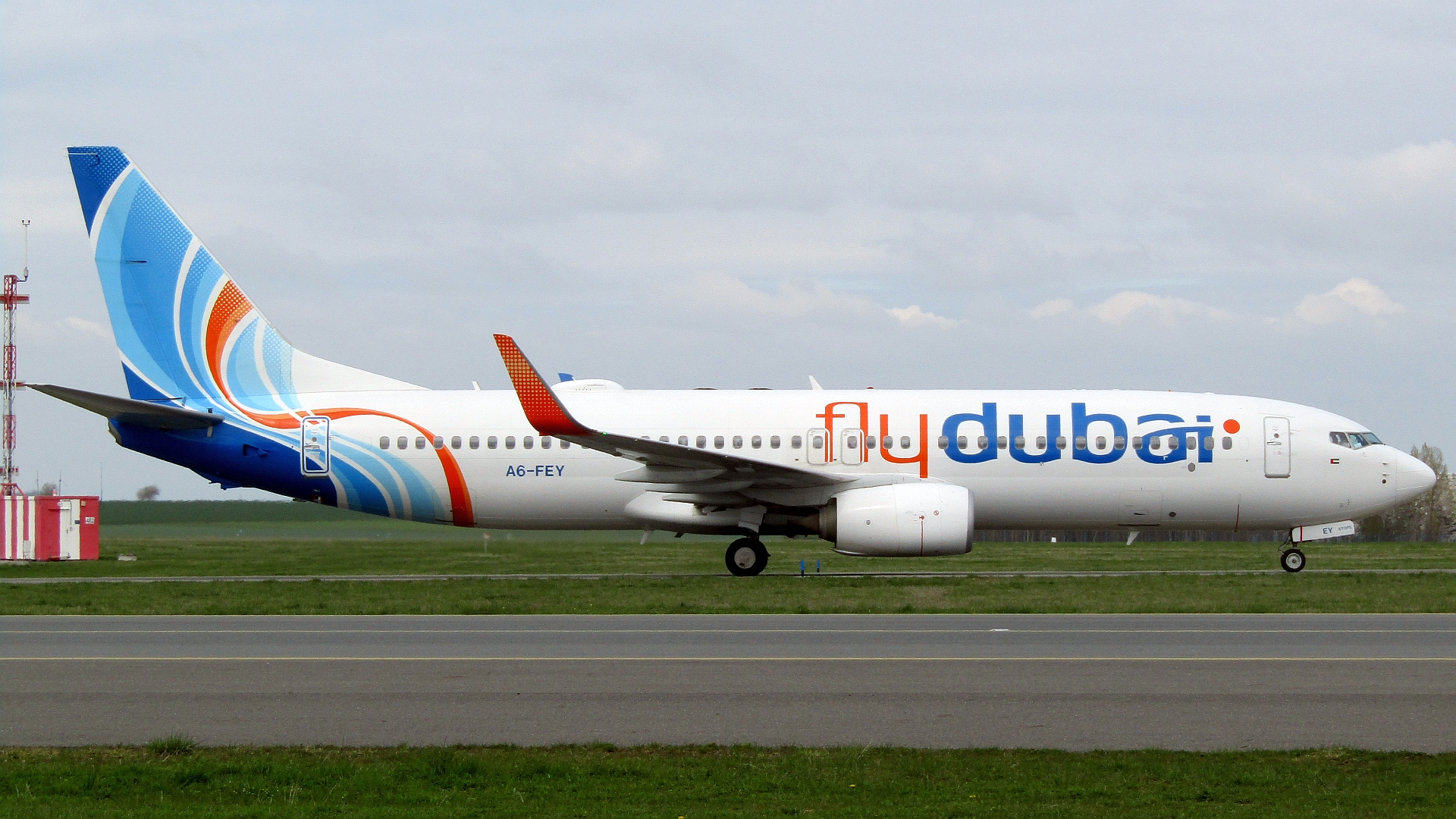
- Flydubai confirmed a safe landing at Tabuk after an incident on FZ1073. The cause remained unsettled in the reports reviewed.
- The commercial risks include delayed bookings and extra travel checks. A worldwide loss of business confidence has not been demonstrated.
Flydubai flight FZ1073, travelling from Dubai to Tel Aviv on 30 September, diverted to Tabuk in Saudi Arabia after an onboard incident. The airline said the aircraft landed safely and all passengers were accounted for. It was working with the relevant authorities. [1]
Separate the incident from the speculation
Flightradar24 recorded both a general emergency signal and a signal indicating unlawful interference. Those signals do not, on their own, establish motive. Reuters initially reported an altercation between pilots and subsequently reported allegations of a possible deliberate attack. The airline statement reviewed for this article did not establish the cause or motive. [1–3]
That distinction matters commercially. Customers may react to an alarming headline before investigators establish what happened. But treating one aircraft incident as evidence that every Gulf route is unsafe would go beyond the available facts. The analysis below describes possible business effects, not measured losses attributable to this flight.
Why the Gulf has more at stake
Dubai International handled 95.2 million passengers in 2025, while Dubai welcomed 19.59 million international overnight visitors. Flydubai itself carried 15.7 million passengers that year. These figures show the scale of the businesses connected to air travel; they are historical benchmarks, not a picture of demand today. [4–6]
The more recent backdrop is a recovery from earlier regional travel disruption. On 21 September, Emaar founder Mohamed Alabbar told Reuters that the group’s Dubai hotels were operating at around 60% occupancy. That is one company’s experience, not the whole city, and it predates the Flydubai incident. It nevertheless explains why a fresh source of uncertainty deserves close attention. [7]
Bookings would offer the first useful evidence
For Gulf hotels, restaurants and event organisers, the immediate risk is hesitation. A family may postpone a booking; a company may ask for another travel review before confirming a conference. Neither response requires a formal travel restriction. If repeated across enough customers, those small delays could weaken forward room sales and event deposits.
Operators should watch new bookings, cancellations and requests to change dates by source market. Falling enquiries and falling confirmed bookings are different problems. So are lower room rates and empty rooms. A blanket discount introduced before demand actually weakens could reduce revenue without addressing the concern that made a guest hesitate.
Corporate travel decisions are another potential channel. Employers in Europe, Asia, Africa or the Americas may seek updated airline guidance or alternative itineraries for staff travelling to the Gulf or connecting through it. Extra approval steps can delay a sales visit, site inspection or contract negotiation even when flights continue. This is a scenario to monitor, not evidence that companies have already imposed new restrictions.
Global concern is not the same as a global shock
The likely reach of any reaction depends on what investigators establish. A contained, clearly explained onboard event would present a different business problem from evidence of a wider security weakness. Persistent uncertainty or additional incidents could make customers reassess routes and destinations more broadly. Those outcomes should not be treated as equally likely without further evidence.
International investors would need a reason to translate concern into a different revenue forecast or required return. For Gulf real estate, that could mean slower overseas viewing trips or investment decisions if travel becomes less predictable. A postponed visit, however, is not a cancelled transaction, and this incident alone does not establish falling property values or a withdrawal of foreign capital.
Likewise, higher insurance premiums, widespread flight cancellations or a global market sell-off should not be attributed to FZ1073 without supporting data. Stock prices also respond to earnings, interest rates, oil and other news. A same-day movement cannot establish what caused it.
What would protect confidence
A clear account of what happened, followed by any necessary corrective action, would give customers and corporate travel managers a firmer basis for decisions. Businesses can help by sharing verified updates, providing practical rebooking support and explaining what is known about their own operations. They should avoid both unverified reassurance and alarmist claims.
The commercial question is whether concern changes behaviour. Over the next few days, bookings, travel policies and operating decisions will provide better evidence than the volume of online reaction. Until then, Gulf businesses have a reason to prepare for disruption, but no basis to assume that one incident has caused a worldwide collapse in confidence.
Sources
[1] Airline statement on FZ1073 and the safe landing ↗
Gulf News · Gulf News. Accessed 2026-09-30. Factual reporting and citation only.
[2] FZ1073 diversion timeline and reproduced airline statement ↗
Flightradar24 · Flightradar24. Accessed 2026-09-30. Factual reporting and citation only.
[3a] Initial report of an altercation between pilots ↗
Reuters · Reuters. Accessed 2026-09-30. Factual reporting and citation only.
[3b] Report carrying allegations of an attempted hijacking ↗
The Jerusalem Post · The Jerusalem Post. Accessed 2026-09-30. Factual reporting and citation only.
[4] DXB reports 95.2 million passengers in 2025 ↗
Dubai Airports · Dubai Airports. Accessed 2026-09-30. Factual reporting and citation only.
[5] Tourism Performance Report January to December 2025 ↗
Dubai Department of Economy and Tourism · Dubai Department of Economy and Tourism. Accessed 2026-09-30. Factual reporting and citation only.
[6] 2025 annual results and 15.7 million passengers ↗
flydubai · flydubai. Accessed 2026-09-30. Factual reporting and citation only.
[7] Emaar Dubai hotel occupancy and recovery outlook ↗
Reuters · Reuters. Accessed 2026-09-30. Factual reporting and citation only.