
At a glance
- Patagonia reports repairing more than 40,000 garments at its Reno centre in 2024.
- That is an operating example from the US, not a measure of Dubai demand.
- Repair services need transparent scope, skilled work and a reliable collection date.
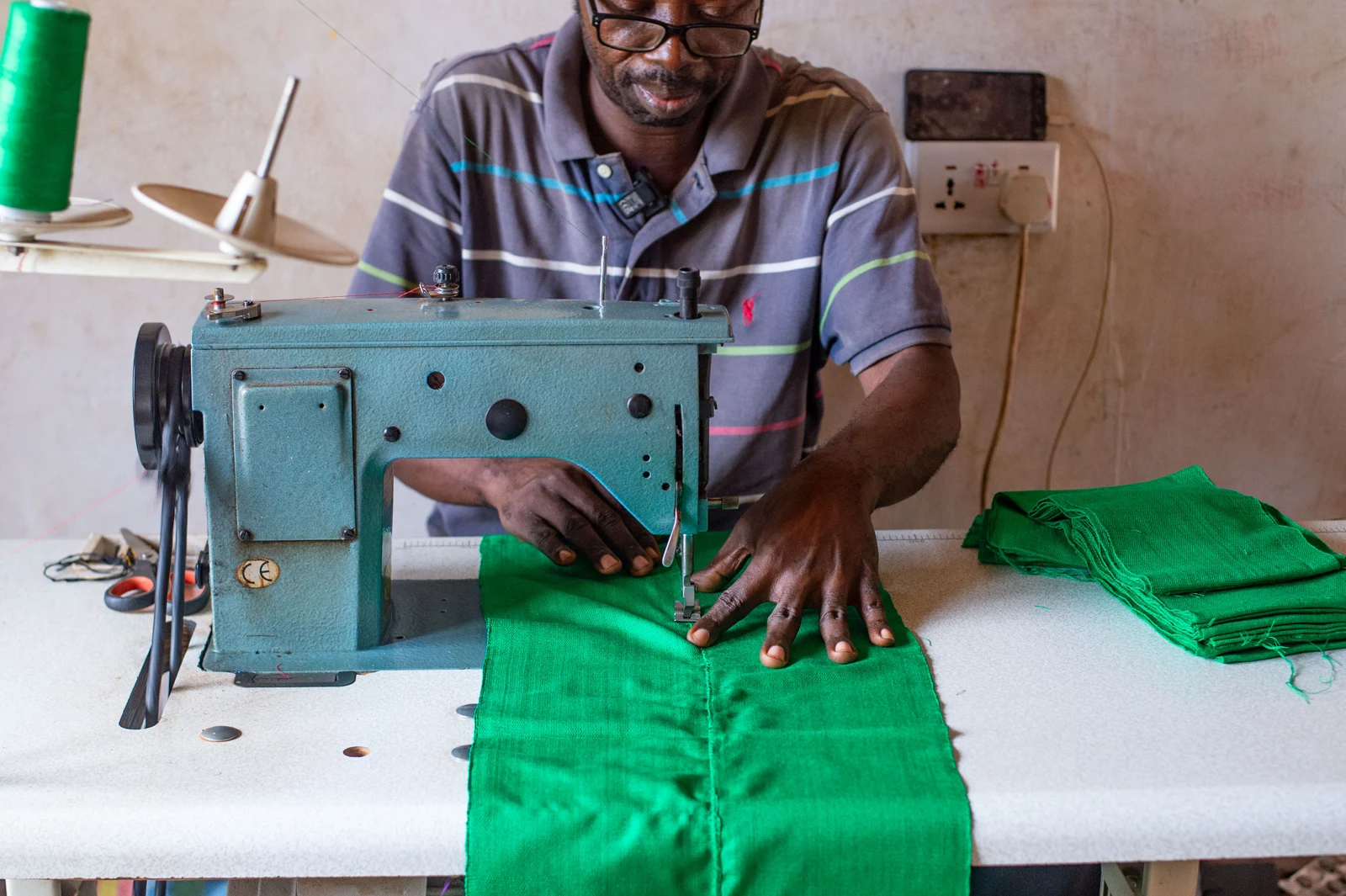
A broken zip or an imperfect fit does not always mean a garment has reached the end of its useful life. Repair and alterations can give customers a reason to keep something they already enjoy wearing. For a fashion business, that creates a service relationship beyond the original sale.
Patagonia’s published footprint information says its Reno, Nevada repair centre repaired more than 40,000 garments in 2024. The figure demonstrates a substantial operating service at one company. It is historical US evidence, and should not be presented as a forecast of Dubai’s repair market or of the returns available to a local business.
The relevant question for Dubai boutiques and tailoring businesses is what customers would find useful enough to return for. Straightforward alterations, replacement fastenings or carefully assessed repairs can be offered with a defined scope. Some fabrics and construction methods need specialist skills; a business should know when to decline a job or refer it elsewhere.
Care as part of the product
Dunes Bureau’s assessment is that trust begins at intake. Record the garment’s condition, agree the work and price, and make the expected result clear. If a repair will remain visible, the customer should understand that before the work begins. A reliable collection date matters as much as an attractive service menu.
For retailers, repairs can also reveal product weaknesses. Repeated problems with a fastening or seam should be discussed with suppliers and considered in future buying. This turns after-sales contact into practical knowledge about how clothing performs outside the fitting room.
The financial case should stand on the actual work. Staff time, materials, outsourced expertise and the handling of unsuccessful repairs all have costs. A store might decide that certain services are included in a premium purchase and others are charged separately, but the distinction should be consistent and understandable.
Keeping a garment in use can support a more considered approach to a wardrobe without relying on broad environmental claims. The service is tangible: something a customer values becomes wearable again. For Dubai’s fashion businesses, that offers a modest, useful way to build loyalty through the quality of care.
Sources
Environmental and Social Footprint: garment repairs in 2024 ↗
Patagonia · Patagonia. Accessed 1 October 2026. Publisher copyright retained; facts reported in original analysis.