
At a glance
- Digital flight information creates value when pilots, controllers and airline operations can act on a consistent plan.
- Measure reliability across the journey before translating a successful technology trial into a savings forecast.
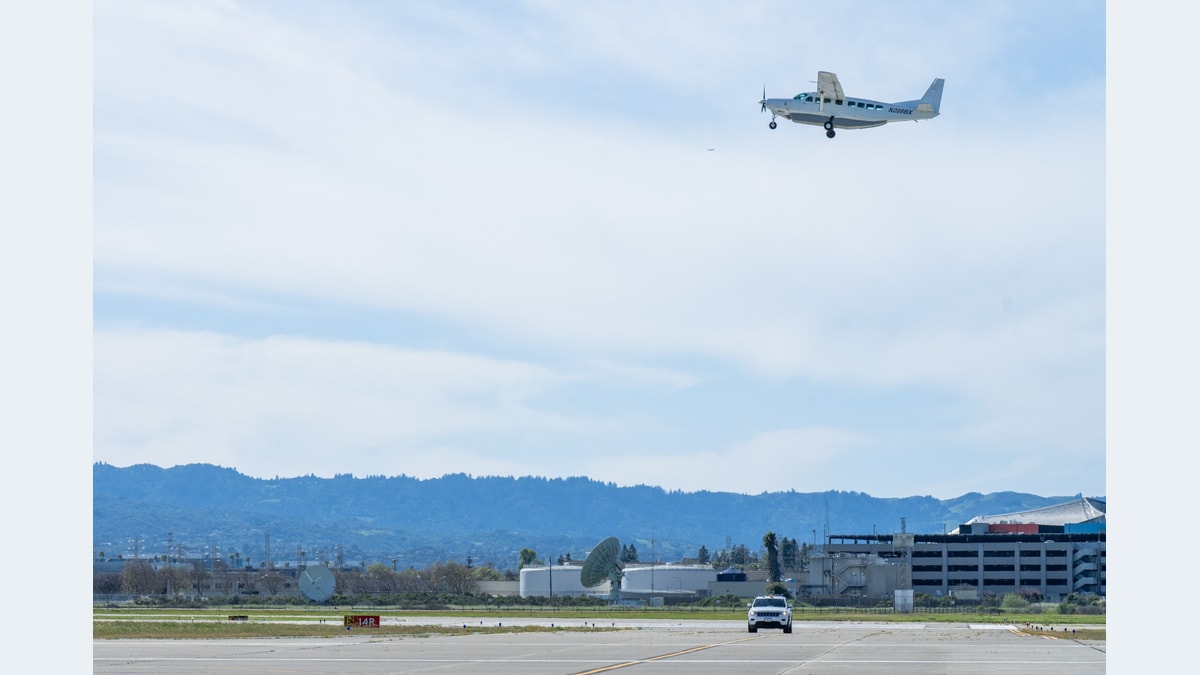
A report published on 23 September 2026 by Tara Friesen and Teresa Whiting describes progress on connected airport operations. Pre-departure routing technology has been transferred from NASA to the Federal Aviation Administration, with airline testing continuing. The same report covers March 2026 trials at Ames Research Center, where digital taxi instructions reached cockpit displays or tablets and sensors detected obstacles. The September publication date should not be confused with the date of those field tests.
The work is still being evaluated. Combining the taxi guidance and sensor systems in a simulated air traffic control environment is a future testing step. Potential reductions in delays and fuel use are described, but the report supplies no quantified commercial savings from these trials.
An earlier report, published by Robert Margetta on 11 December 2025, adds context. During about two weeks of October 2025 flights, a United Airlines Boeing 737 tested trajectory information sharing on domestic and transatlantic routes. Researchers examined which information and update frequency could help predict arrivals. This is a data-coordination problem as well as a cockpit-technology problem.
Dunes Bureau interpretation: an airport or airline assessing these tools should map who receives each update, who can change the plan and how quickly that change reaches everyone affected. A precise arrival estimate has limited operating value if gate planning, ground handling and dispatch continue to use different assumptions. A pilot programme should therefore test the handovers between teams alongside the accuracy of each individual system.
A useful evaluation would compare similar operating periods and record taxi-time variability, arrival-prediction error, missed connections and the workload needed to resolve conflicting instructions. Safety review belongs alongside those measures. These are proposed evaluation criteria, not results established by the source reports. Any savings calculation should include integration, training and ongoing support costs, and avoid counting the same avoided delay twice.
For aviation businesses in Dubai and other major hubs, the transferable question is how shared information changes decisions across a busy network. The cited trials do not establish deployment in the UAE or a return on investment for a particular airport. They provide a concrete reason to test coordination before buying an efficiency promise.
Sources
NASA Modernizes Commercial Airline Systems ↗
Tara Friesen; Teresa Whiting · NASA. Accessed 2026-09-28. NASA media usage and AI source-disclosure guidelines.
NASA Works with Boeing, Other Collaborators Toward More Efficient Global Flights ↗
Robert Margetta · NASA. Accessed 2026-09-28. NASA media usage and AI source-disclosure guidelines.